Brand & Identity · Wendy · 8 min
Plenty of hotels have bright, polished, tidy photos, and still nobody stops to look. What separates a technically fine photo from one that makes people want to book? You'll find out here, along with a way to take a second look at yours.
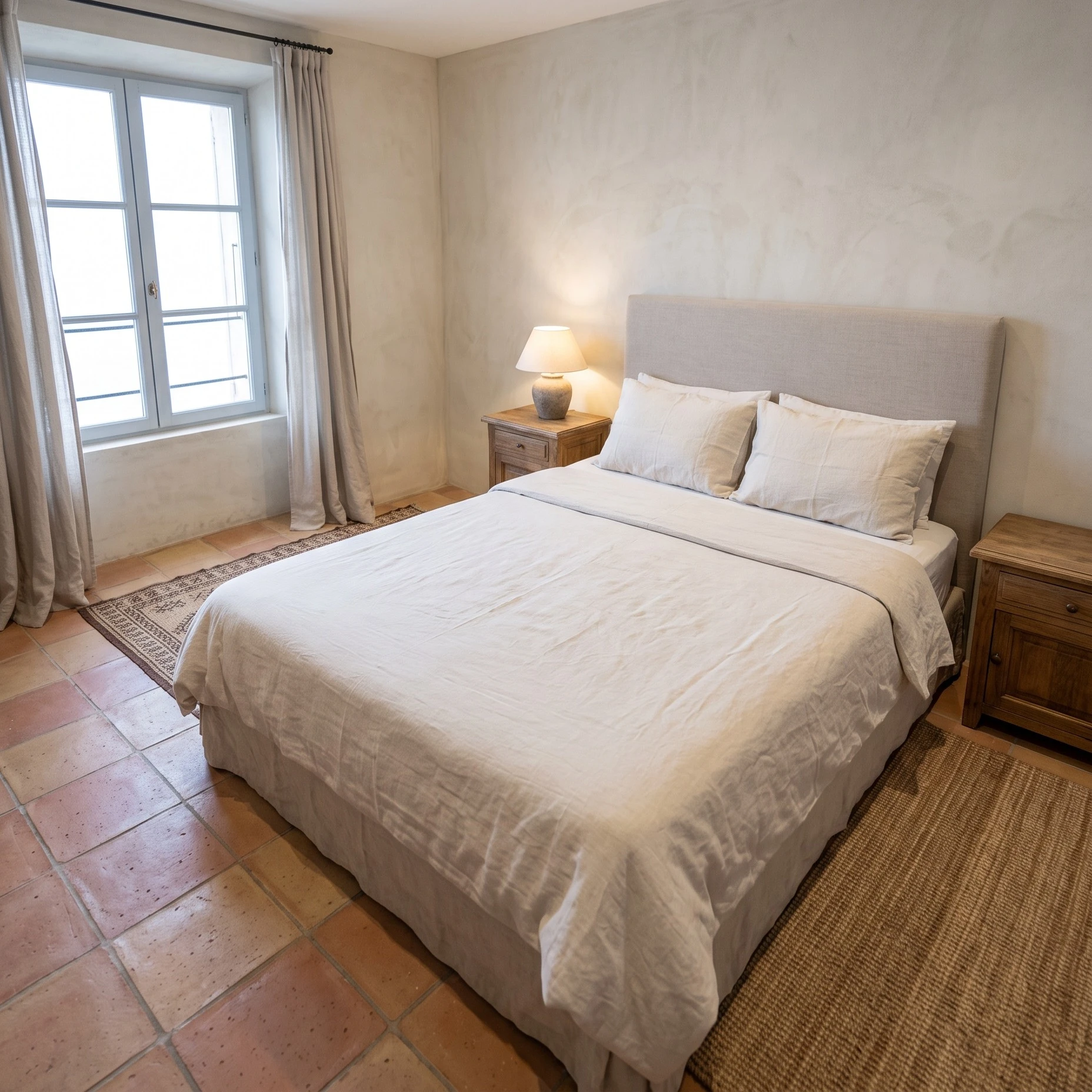
Spend a little time on hotel websites and you'll notice how many photos look alike: big rooms, every light on, the bed just so, a wide-angle lens to make everything look bigger. They're well made. There's nothing wrong with them. And yet you scroll right past without remembering a thing.
I see it all the time, and it's not the camera's fault. Those photos show what a place looks like, but they don't tell you what it's like to be there. And what makes someone book is picturing themselves there.
A technically good photo answers the question “what does the room look like?” The light is good, the lines are straight and nothing's missing. The problem is that guests aren't asking that question. They're asking “how would I feel there?”, and an empty room, lit from every corner and shot from the doorway, doesn't answer it.
On top of that, when every photo follows the same recipe, every hotel ends up looking the same. The cushions change color, but the feeling is identical. And if guests can't see what makes you different, they end up comparing on price.
When we walk into a hotel to shoot it, the camera stays in the bag at first. We walk around slowly, look, and figure out what time of day the place is at its best. There are three things we always look for:
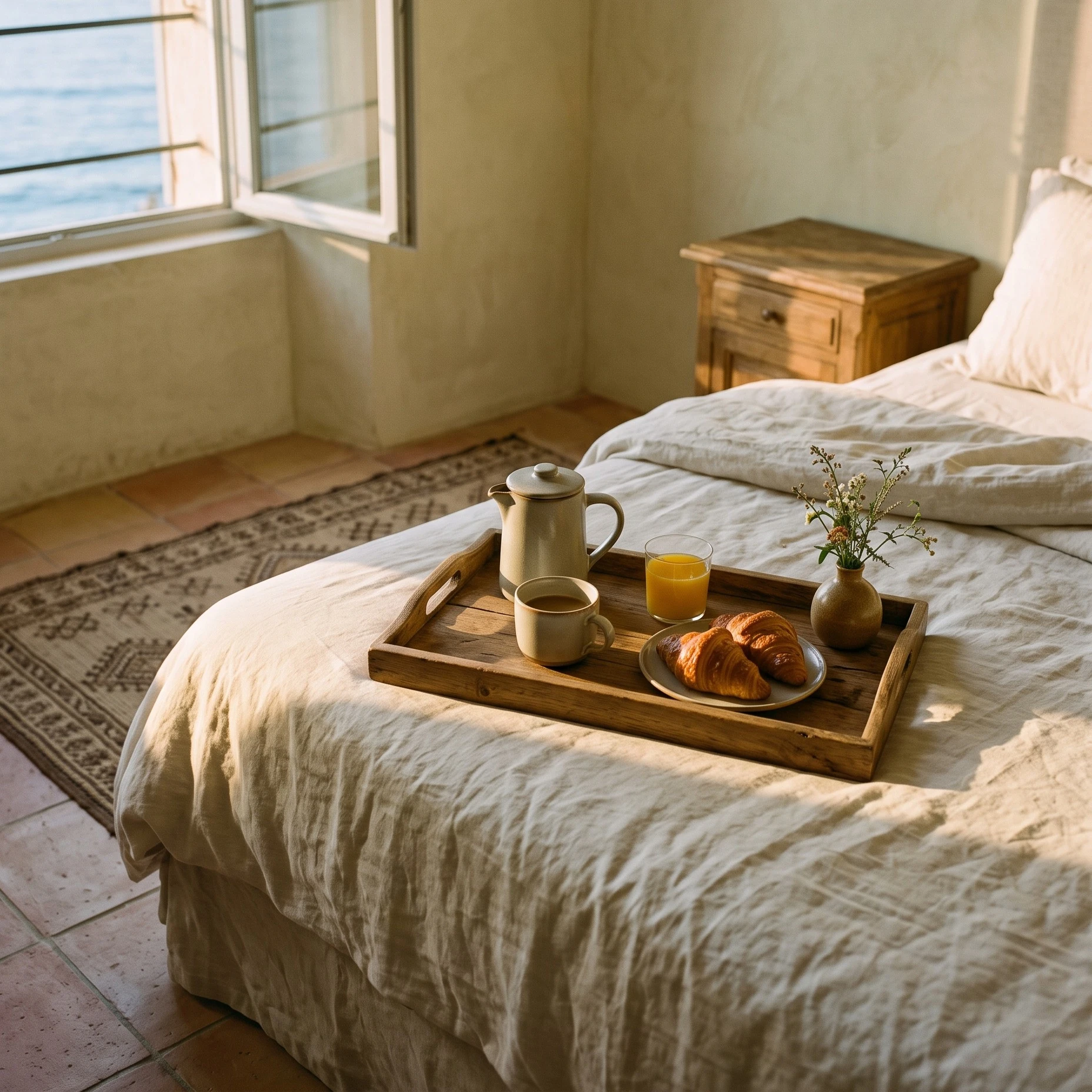
What time it comes in and from where. Low afternoon light, or the light of the first morning coffee, says more than every lamp switched on at once.
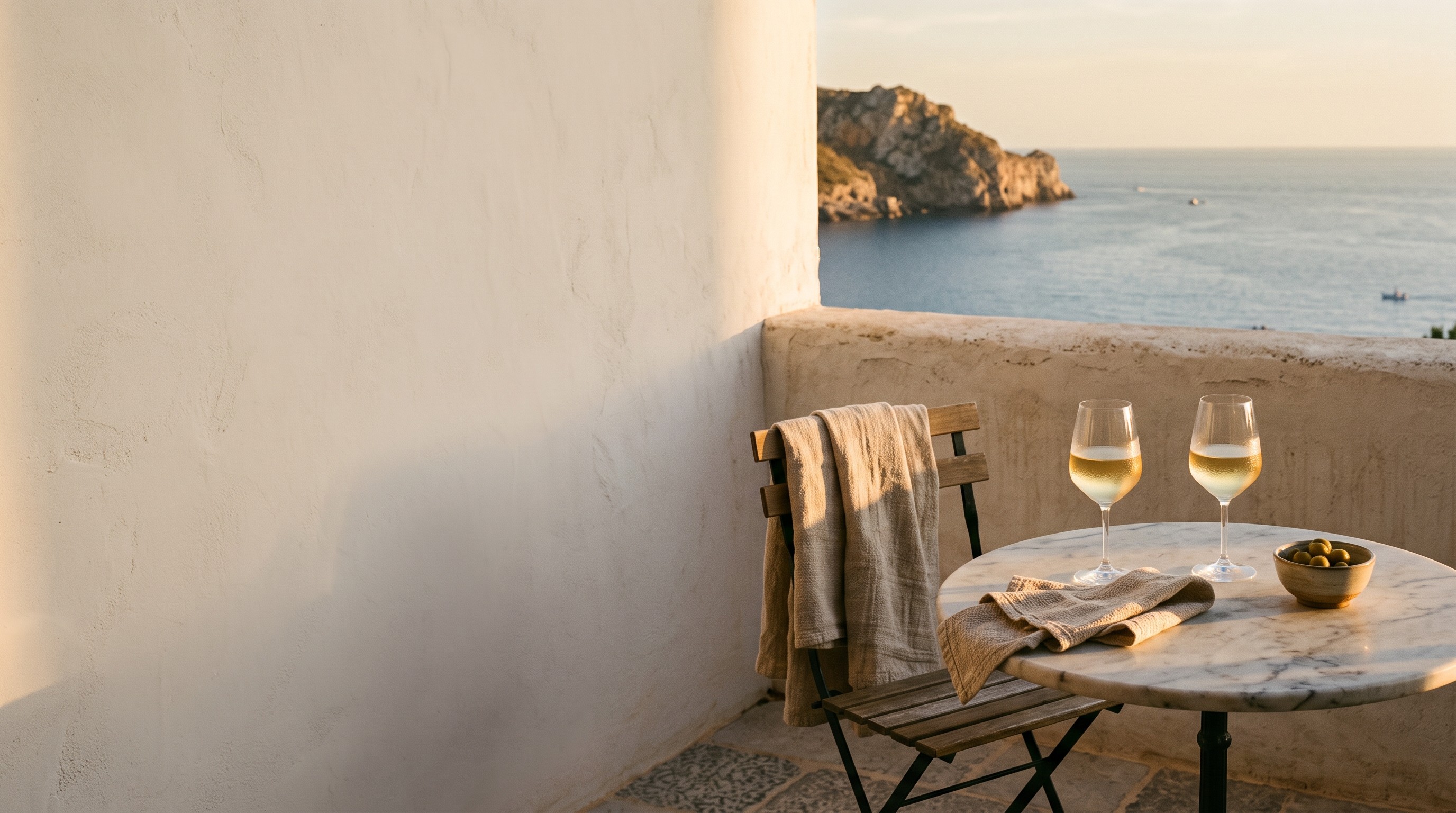
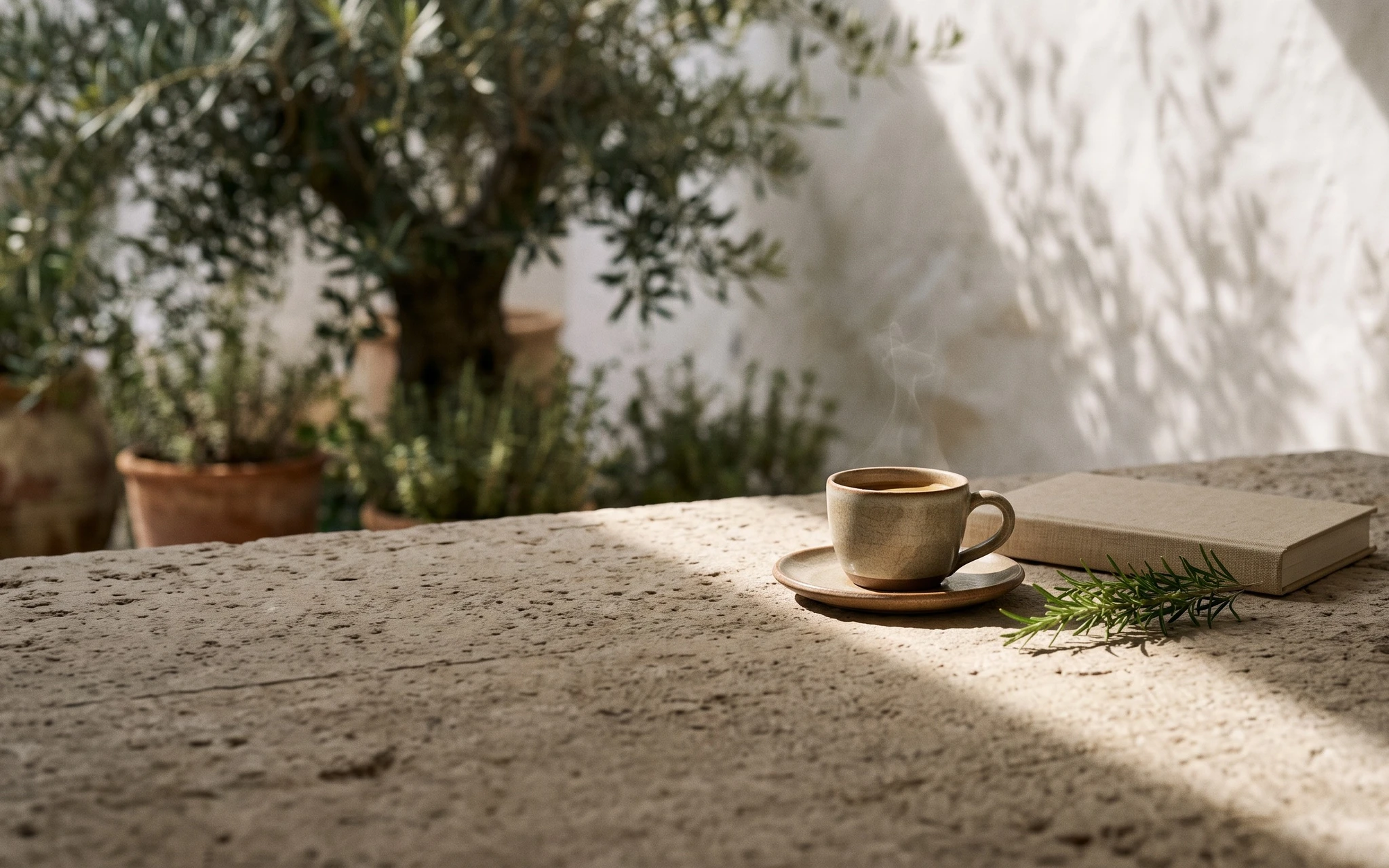
Whatever tells you how the place is lived in: the coffee cup on the terrace, the open book on the lounger, the towel folded by the pool.
Photos read like a story: arriving, the room, breakfast, sunset. Put together, they have to make sense.
Nobody books square footage. They book the moment they picture themselves living there.
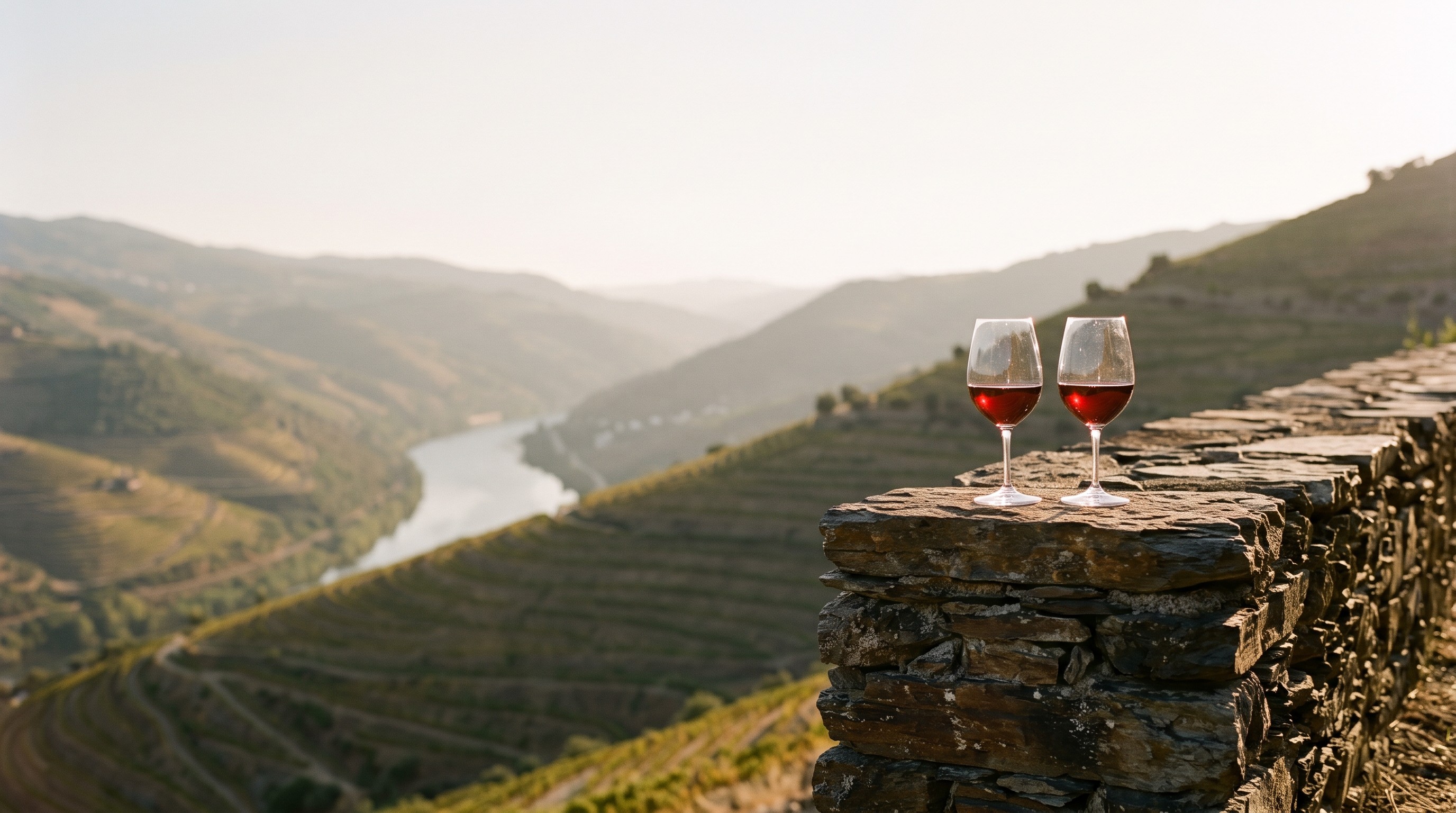
The photos that work are almost always small scenes. They have a hero (two glasses on the edge of the pool, a lounger facing the hills, a coffee cup in a beam of sunlight), a setting you can recognize and light that tells you what time it is. That's all you need. In fact, when you add too much, the scene stops breathing.
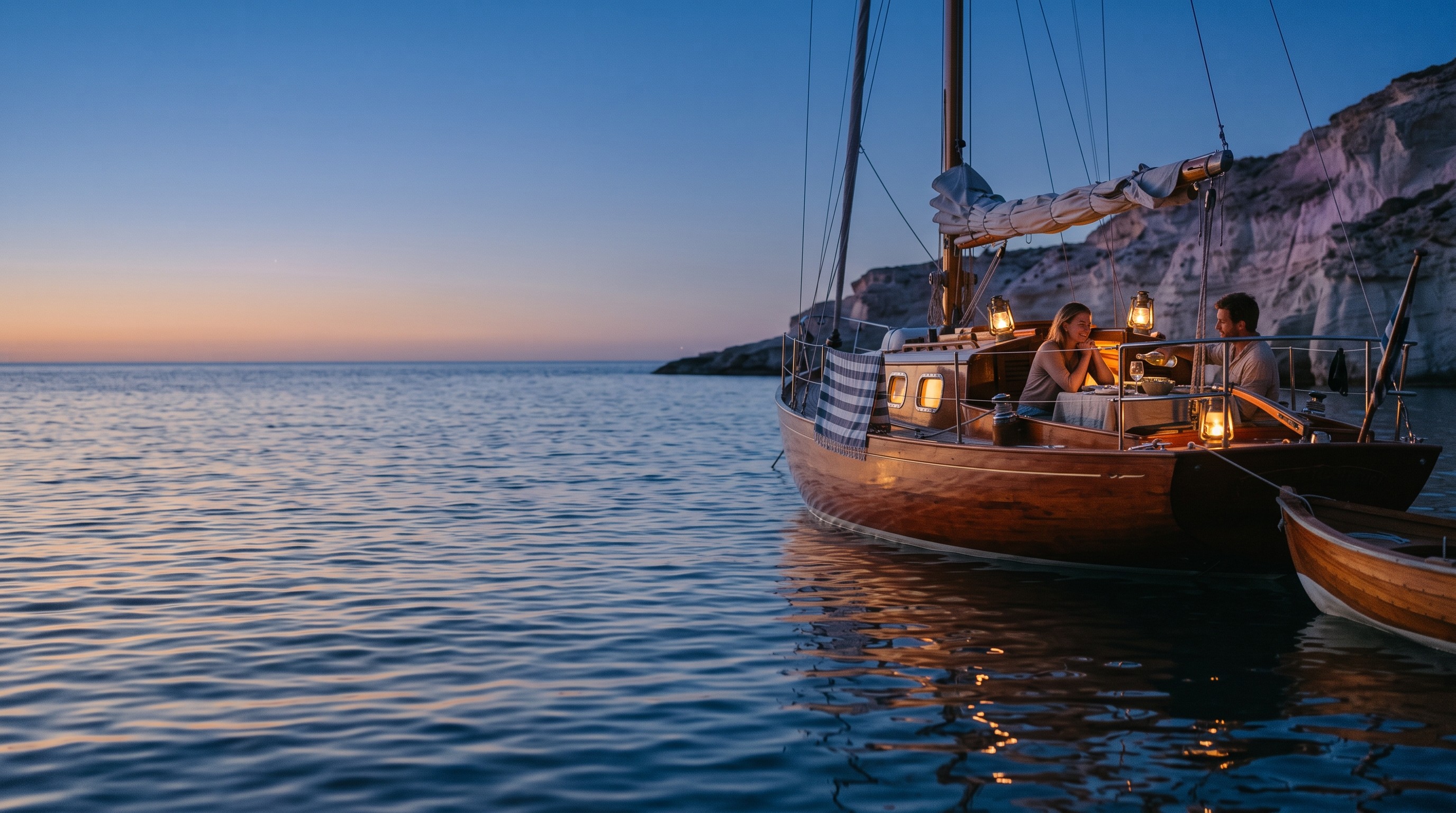
People are one of the most powerful things you can put in a photo, as long as they're enjoying the place instead of posing. Someone walking barefoot toward the sea, a couple laughing on the terrace in the last light, hands pouring the breakfast coffee. Those photos show how people enjoy the place, and guests picture themselves doing the same.
A good shoot is decided almost entirely before the day itself. This is what we always prepare:
What each photo needs to get across. It comes from the hotel's identity: you don't shoot a quiet hideaway the same way as a hotel full of life.
The moments worth capturing, one by one: waking up, breakfast, reading in the sun, the first drink at sunset. Each moment with its space and its time of day.
Which space gets shot at what time. The terrace in the afternoon, the breakfast room in morning light. The whole day is planned around it.
Every object in the frame, chosen one by one and always spotless: a stain on a cushion or a crease in a tablecloth can ruin a photo that was otherwise perfect.
Horizontal for the website, vertical for social. Plan for both and one shoot covers everything.
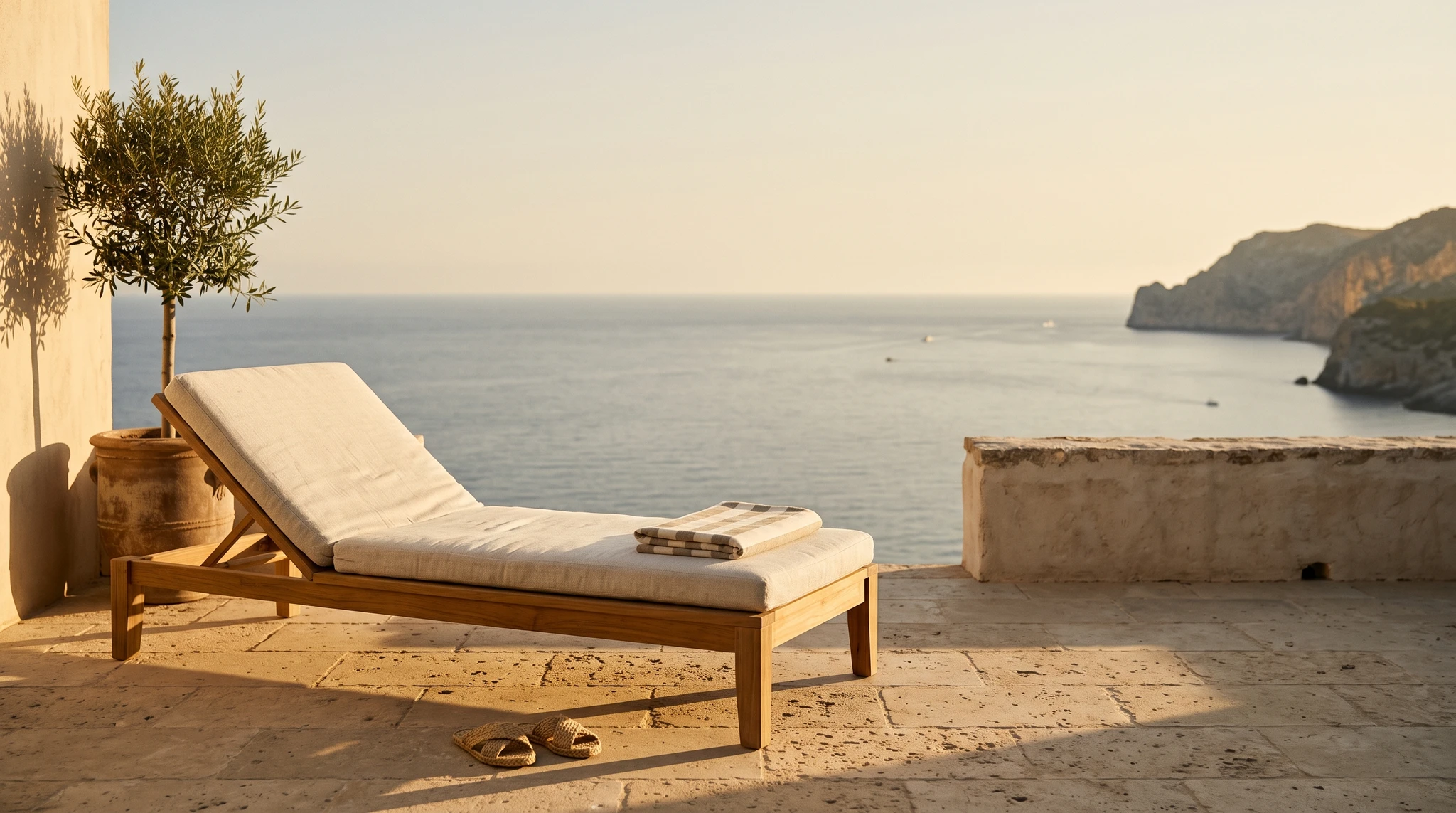
Changing your photos sounds like a detail, but you feel it everywhere. People stay longer on your website, because there's something to look at. They get to the booking stage with a clear idea of what they're going to experience, and when they find it, they say so in their reviews. And they stop comparing you on price alone, because they've seen something they can't find anywhere else.
There's a very practical upside too: a well-planned shoot gives you material for the whole season. Photos for the website, social media, campaigns and press, all with the same eye, without scrambling for content every week.
That's why at Rielto House a shoot starts long before the camera comes out: with the hotel's identity, the list of moments and the light schedule.
Fewer than you'd think, but the right ones. One photo for every important moment of the stay beats twenty shots of each room from every angle. Guests want a sense of what their stay will feel like, and a few well-chosen photos give them that.
Both, and people bring a lot. When someone shows up genuinely enjoying the place (a slow breakfast, a book by the pool, sunset from the terrace), the photo stops showing a space and starts telling the story of an experience. What matters is that they're enjoying the place rather than posing. Mix those shots with scenes where there's no one and a detail is the hero.
Questions about your hotel, before any talk about photos. A good professional wants to know what makes you different, who your hotel is for and which moments you want people to see, and that's what they build the shot list and the light schedule from. If all they ask is how many rooms you have, the story will be missing.
More often than most people think. Your hotel changes with every season: the light, the menu, the pool in summer or the fireplace in winter. And social media and campaigns need fresh material all the time. Ideally you plan shoots throughout the year, season by season, so your images always feel alive and match what guests will actually find when they arrive.
A photo gets people to book when it makes them want to be there, and that comes down to the light, the detail that shows how the place is lived in and a sequence that lets guests picture their stay. All of that gets planned before the shoot, which is exactly why it shows so much when someone has thought it through.
If you'd like, we'll look at them together and see what story they could be telling.
Private consultation