Strategy & Campaigns · Alessio · 9 min
Almost every winery introduces itself with the same words, which is exactly why none of them stick. So what does a story need to make people want to visit? I'll show you with before-and-after examples, plus an exercise to find yours using what you already have.
Read the first few lines on ten winery websites and try this: “a passion for wine,” “three generations of tradition,” “a unique terroir,” “a magical place among rolling hills and vineyards.” It's all true, and that's exactly why it says nothing. Any of those ten wineries could have written any of those lines.
Meanwhile, the person looking for somewhere to spend a Saturday among the vines isn't comparing traditions. They're looking for a place they can picture themselves in.
Usually there's too much story, if anything: so much that it gets boiled down to big words, and big words all sound alike. “Tradition” stands for a grandfather, a vineyard planted in a specific year and a way of doing things nobody else has. But the reader only gets the word.
And when they can't picture anything, visitors fall back on whatever they can compare: the price of the tasting, the stars in the reviews and how far it is from their hotel.
If another winery could put its name to your line, it isn't your story yet.
The stories people remember are almost always small and specific, and they usually have these three things:
The hour the harvest starts, the oldest vine, the cellar door that opens with an iron key. Something you can actually see.
The one who prunes, the one who leads the tasting, the one who decided to pull up a vineyard and plant another. People remember people far more than facts.
A scent, a sound, a moment in the year. What visitors won't find at the winery next door.
And don't forget the senses. A winery is remembered for how it smells during harvest, how cool the barrel room feels in August, the crunch of gravel underfoot. That's part of the story too, and hardly anyone tells it, even though it's as much a part of your brand identity as the logo.
A few examples:
After: “Marco's grandmother planted our oldest vines in 1962. We still harvest those rows by hand, in the same order she did.”
After: “From the tasting room you can watch the mist rise off the river first thing in the morning. By eleven it's gone, and that's when we start walking the rows.”
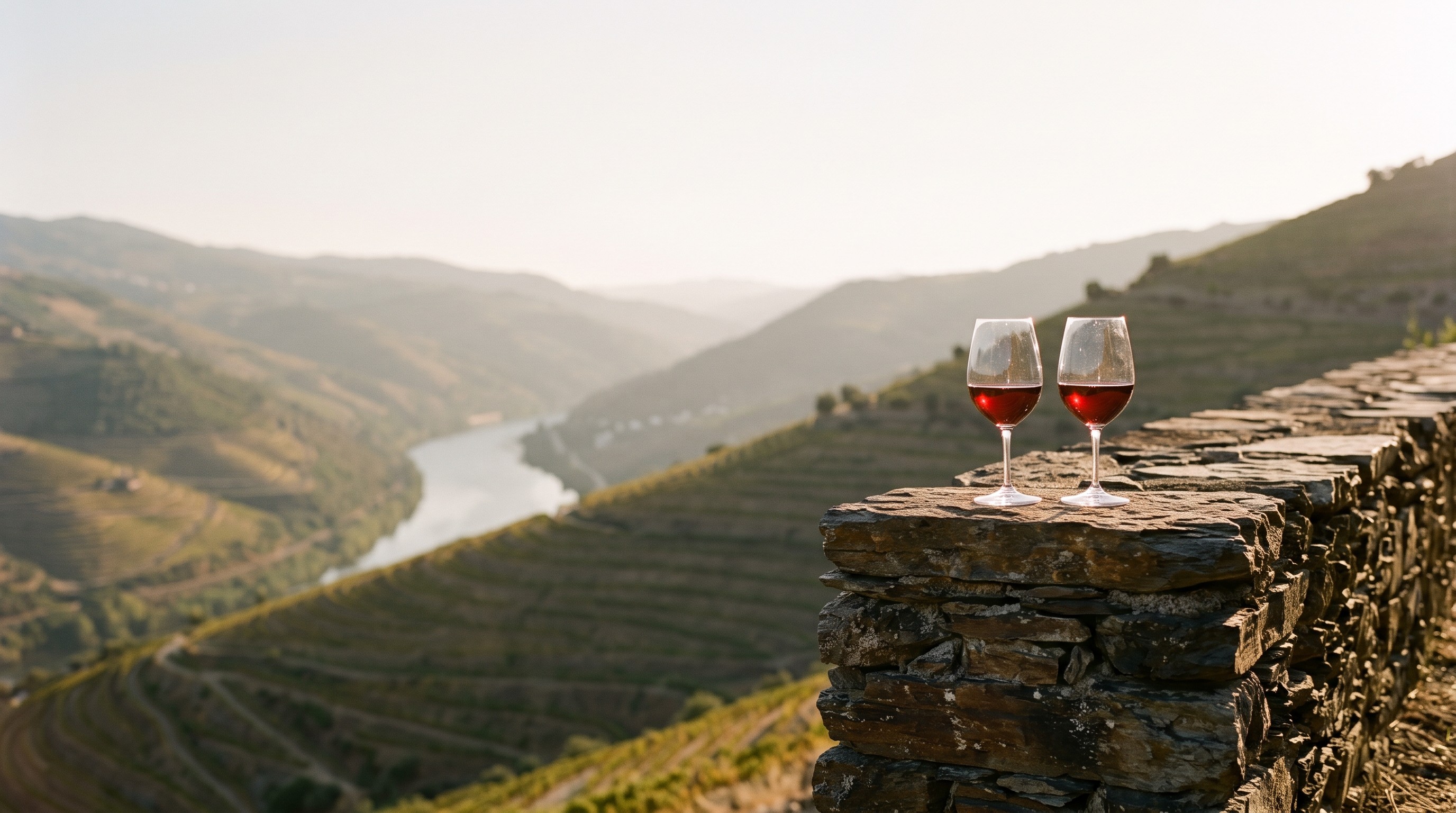
After: “Our white grows on a slope of pale stone that gives back the day's heat at night. You'll taste it in the glass, and feel it on your hands if you touch the vineyard wall at sunset.”
In all three, the second version is longer, yet it reads faster, because you can see it.
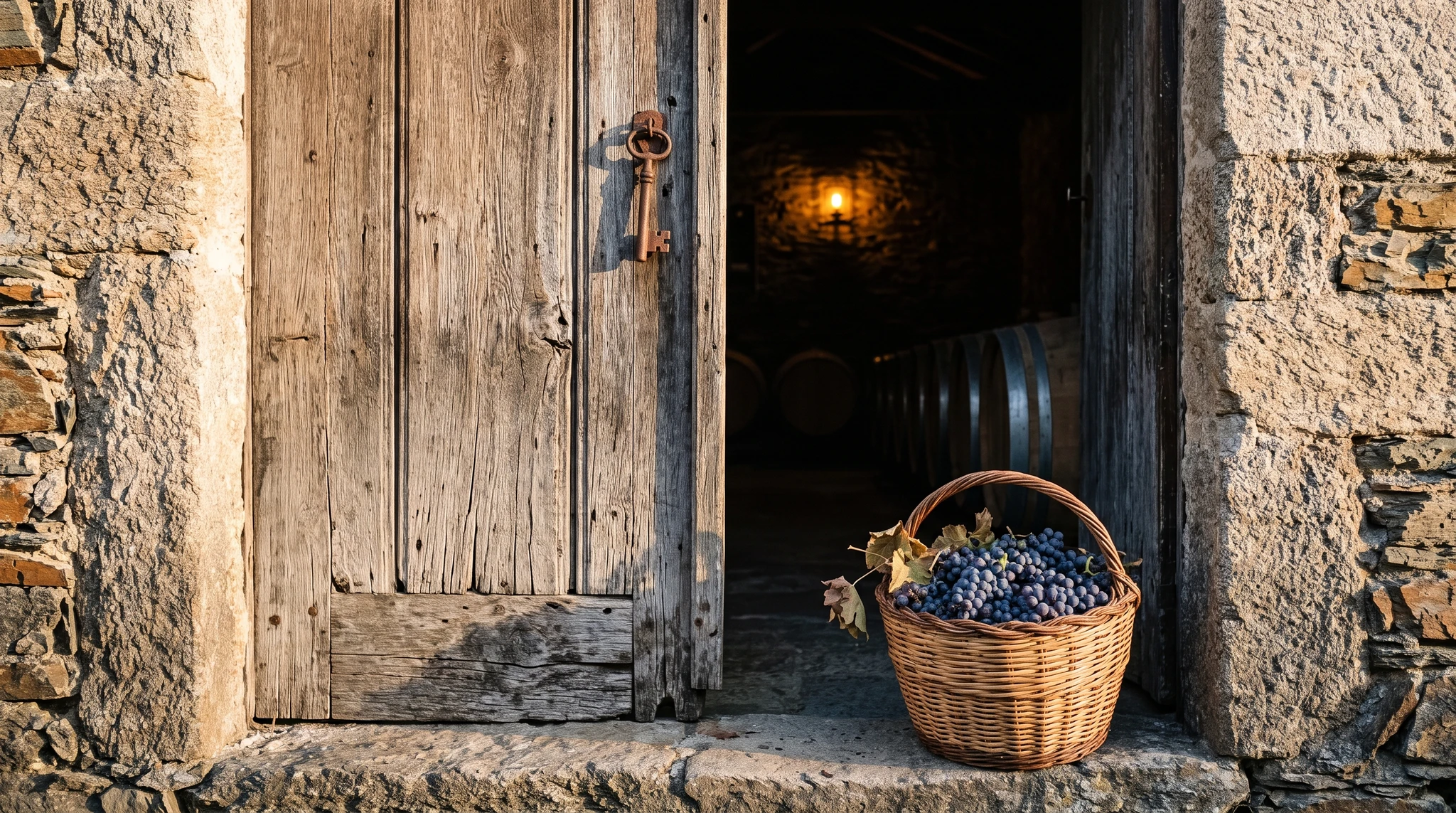
Plenty of wineries have a great story tucked away on a page almost nobody opens. Your story needs to show up wherever visitors make up their minds:
A word of warning: storytelling doesn't mean inventing a legend. Visitors can tell, and when they arrive and don't find what you promised, trust disappears in an instant.
The good news is you don't need to. The true stories are already at the winery; the people who live there just don't see them anymore, because they're right in front of them every day. You find them by asking, listening and writing down what gets told over a long lunch, which is almost never what ends up in the official presentation.
Sit down with whoever knows the winery best and answer these together:
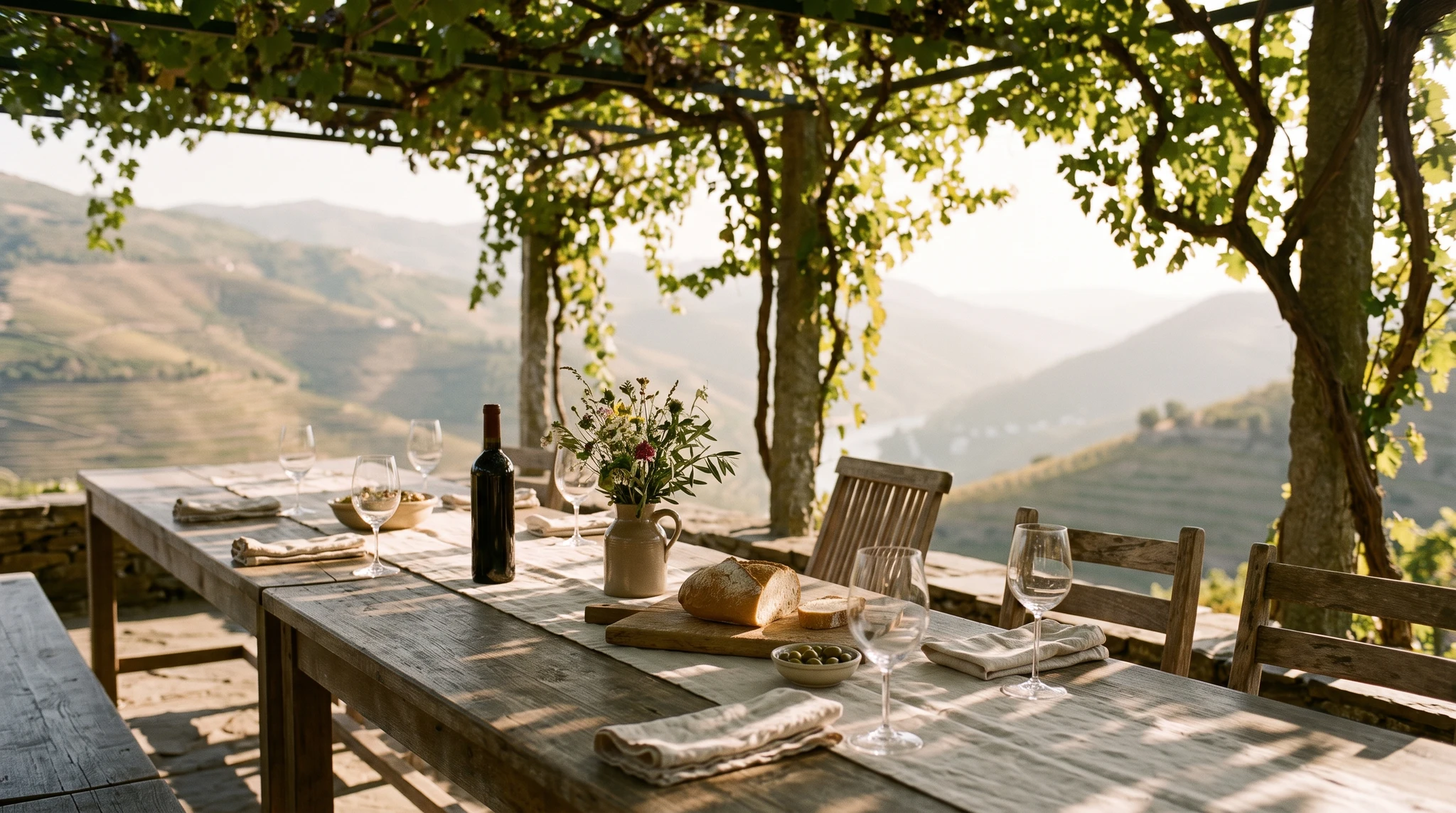
Once people can see themselves at your winery, the price of the tasting stops being what decides it. They choose your winery because they want to see that mist, meet that person or be there that particular week. They arrive with a specific expectation, and if they find it, they talk about it. Your reviews start repeating your details: the mist on the river, the name of whoever led the tasting.
And the wine is remembered differently. A bottle with a story behind it is a bottle people order again at a restaurant, give as a gift and talk about at the table.
Before we write a single line, at Rielto House we sit down at the winery and listen: to the person who prunes, the one who leads the tastings, the one who keeps the books. From there we find the idea that holds everything together and carry it into the winery's whole identity: the voice it speaks with, the website, the photos, the labels and the visit. Sometimes the hardest part is clearing away everything that was hiding the story.
It's telling the story of a place through specific moments, people and details instead of adjectives. The goal is for readers to picture themselves there and want to go experience it.
No. A winery that opened five years ago has a story too: why you started, what you chose to do differently, what each harvest has taught you. Sometimes a recent story feels more personal than a century of tradition.
There almost always is; the people who live it just stop seeing it. Do the question exercise with someone from outside, or pay attention to what visitors always ask about: that's usually where it is.
Right at the start: in the first image and the first line, then throughout the site, in the tour, each wine and the photos. Your “About” page can go deeper, but it shouldn't be the only place.
Better not. Visitors come to see it for themselves, and if they don't find what you told them, you lose their trust. A small, true story works far better than a big, invented one.
Wineries blend together because they describe themselves with the same words. A story that makes people want to visit has a specific detail, a person and something that only happens there, and it's told through the senses too. Find it by asking around the winery and put it where visitors decide: the first screen of your website, your photos, the tour, your labels and your social media all year long.

If you'd like, we'll sit down with you, listen, and help you find it.
Private consultation