Brand & Identity · Wendy · 8 min
When someone books a guided trip, they're paying today for something they'll experience months from now, without being able to try it. That's why a solid itinerary and a fair price aren't enough. What are your travelers really buying? Once you know, each trip page can become your best salesperson, and every departure can sell the next one.
Think about what you're asking of someone who books one of your trips. To trust you, to pay months in advance and to picture an experience that doesn't exist for them yet. They can't try it, can't touch it, can't send it back if they don't like it. They're buying a promise.
And yet so many trip pages look alike: day 1, arrival; day 2, sightseeing; day 3, excursion; price and dates. All correct, but nothing that helps anyone picture themselves there. And when people can't picture a trip, price is all they have left to go on.
Before talking about social media or ads, it's worth understanding what your travelers are actually buying. It's almost never just a route:
Not having to plan a thing, knowing someone has thought through every detail, and that if something goes wrong, someone will fix it.
Dinner at a local food producer's home, the trail that isn't in any guidebook, the door that opens because the guide knows who lives behind it.
The guide, the group size, the kind of people who tend to sign up. For many, that matters as much as the destination.
If your marketing only talks about the route, you're leaving out two of the three reasons people choose you.
A tour operator doesn't sell destinations. It sells the certainty that the trip will go well.
Everything you put out (social posts, ads, emails) ends up in the same place: the page for each trip. If that page doesn't convince, everything else is wasted. Here's what I'd look at:
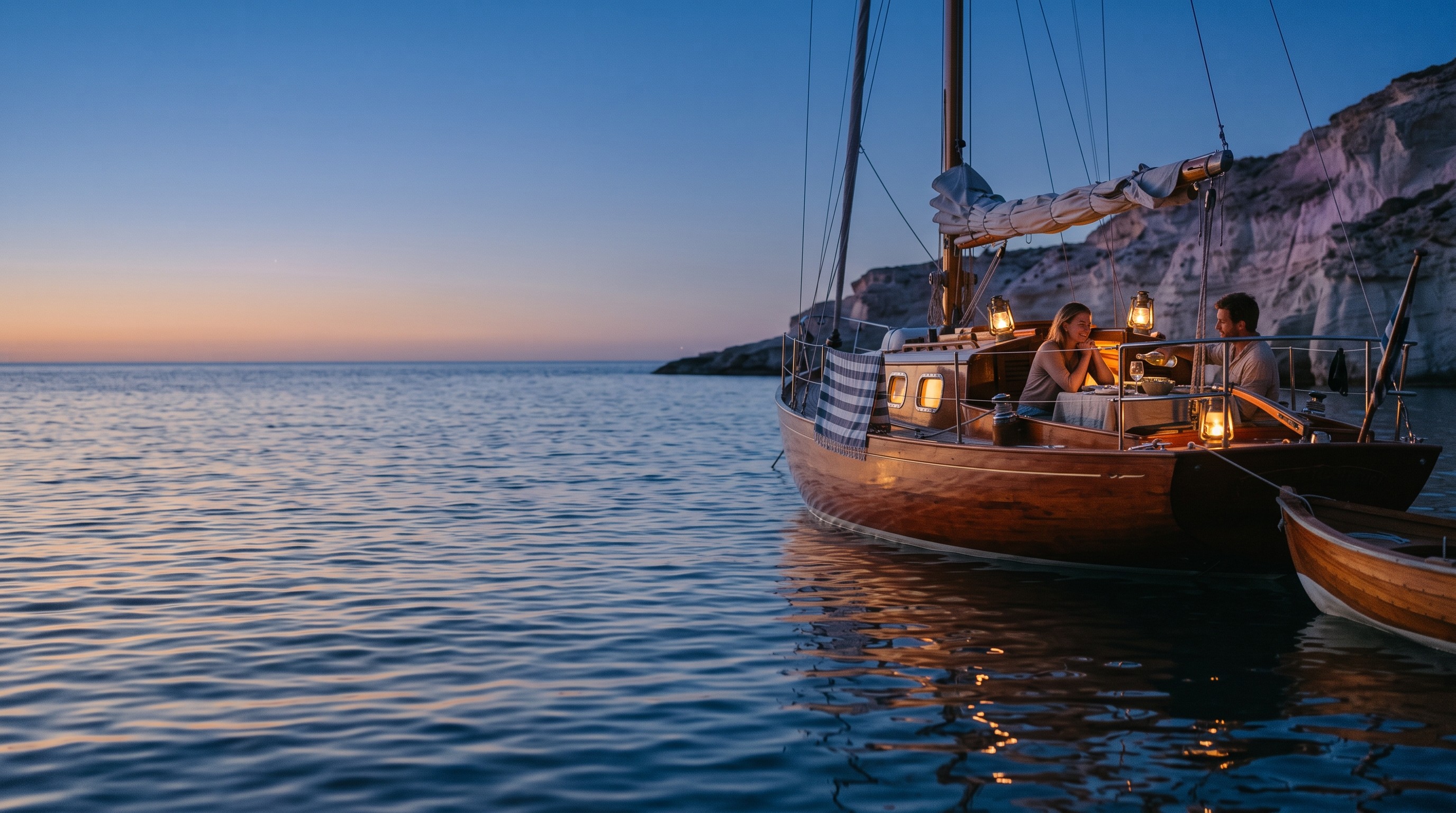
The first photo and the first line should capture the moment that best sums up the trip: sunrise in the desert, the long table at the farmhouse, the boat gliding into the cove. The detailed itinerary comes after.
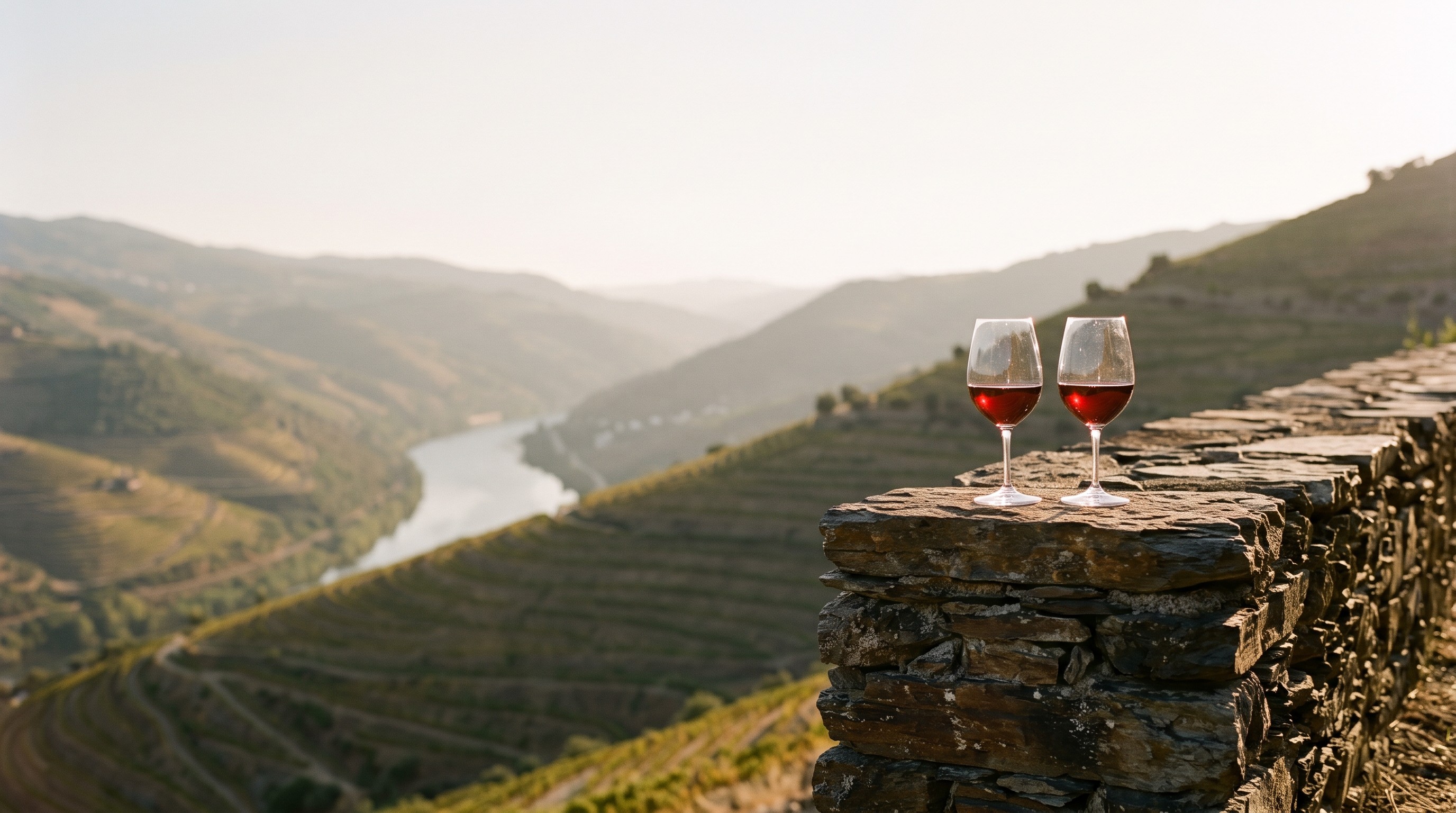
“Day 3: winery visit” says nothing. “Day 3: lunch in the kitchen of the family that's been making this wine for four generations” lets someone see themselves there.
A photo and a few lines from the guide or organizer: who they are, why they designed this trip, what they love to show people. Trust goes to a person first.
Pace, fitness level, group size, how much free time there is, whether it works for kids. Saying clearly who the trip isn't for attracts the right travelers and prevents disappointment.
Lodging, meals, transfers, entrance fees, tips. Doubts about what's included are among the things that stall a booking most.
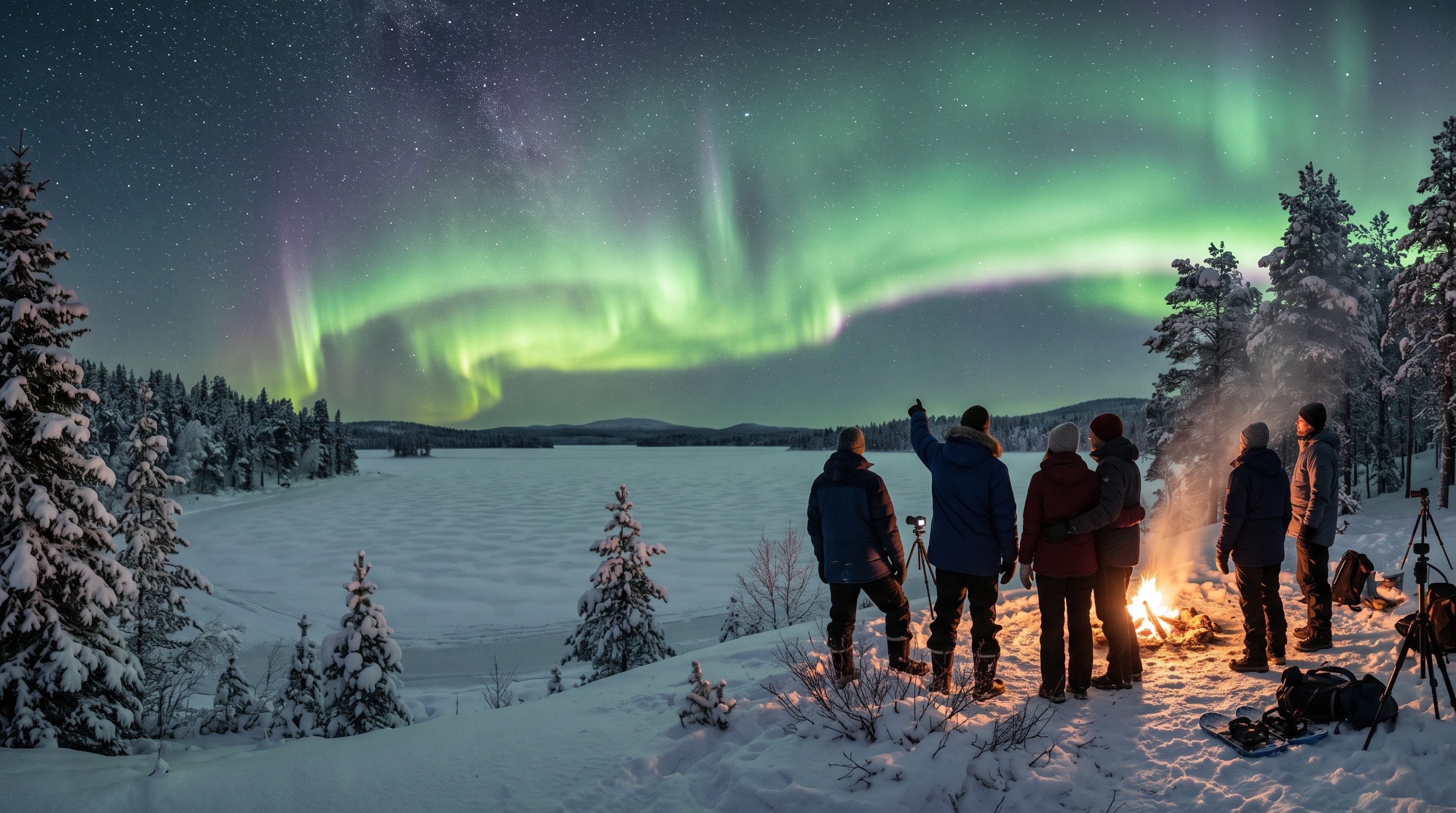
Images of past groups actually living the trip are worth far more than the generic destination shots everyone else has.
How much is due now and how much later, when the documents arrive, how travelers meet the group. Knowing what comes next brings peace of mind, and peace of mind is part of what you're selling.

A tour operator's best content comes out of every departure. If you plan for it, every trip you run becomes the material that sells the next one:
With one person on the team in charge of collecting that content on every departure, a single season gives you more material than you could produce any other way.
A guided trip isn't decided like a dinner reservation. Weeks or months can pass between the first time someone sees your trip and the moment they book. That's why campaigns are planned backward from the departure date:
Every trip has its own calendar. If you start promoting a departure when it's close, you show up after most people have already decided.
Your best channel is often the one you tend to the least: people who've already traveled with you. They come back, and they recommend you. A few simple ideas:
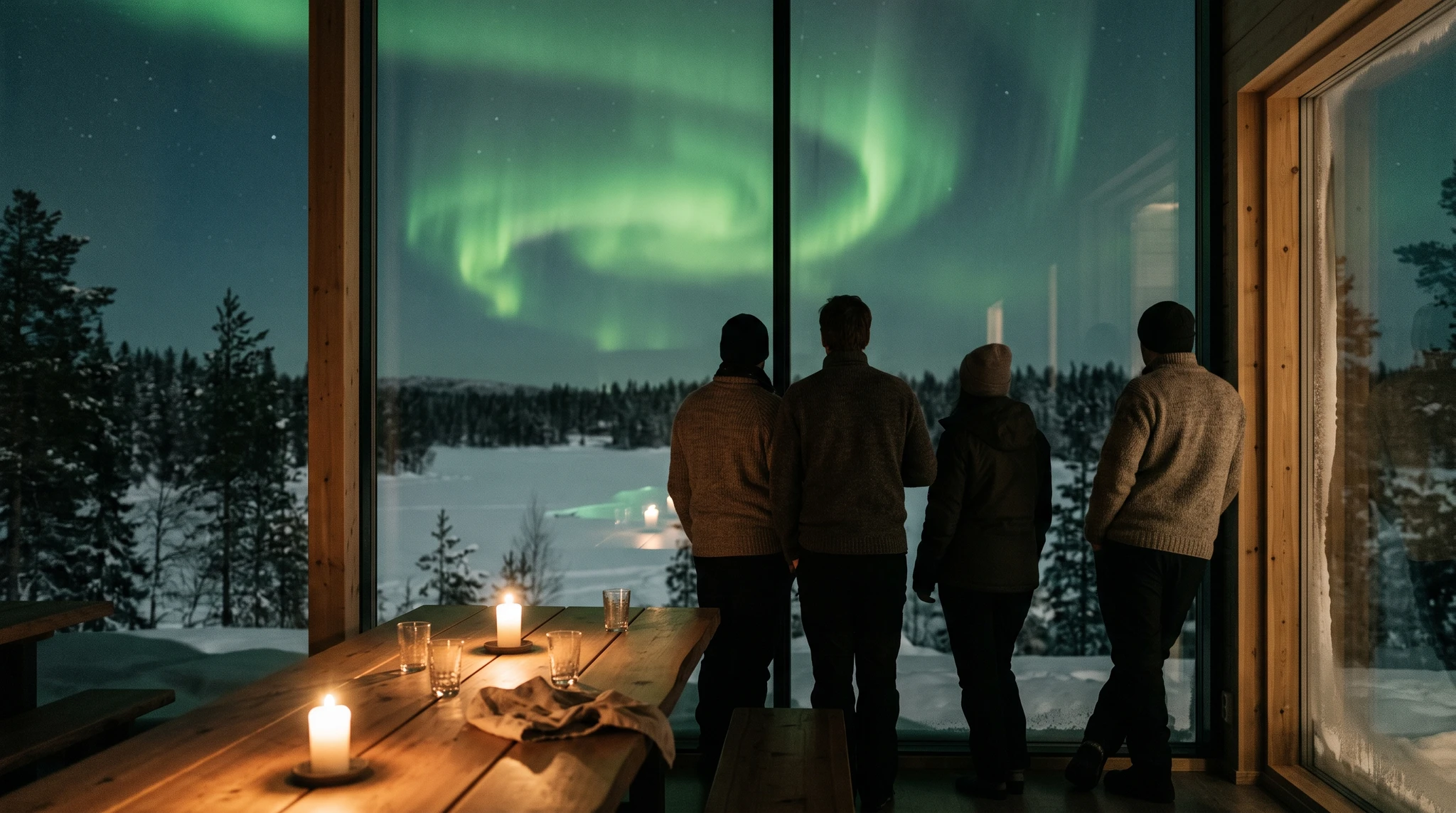
When every trip page conveys the experience as well as the route, people reach the booking stage with fewer doubts and get in touch with more specific questions. The travelers who sign up are the right fit for the trip, and you feel it in the group, in the atmosphere and in the reviews they leave afterward.
Every departure also leaves something behind: content, reviews and travelers who come back, so you rely less and less on ads and platforms to fill your dates.
This is exactly where we come in for tour operators: an identity that stands out among a hundred similar trips, trip pages that let people picture every departure, content that comes out of the trips themselves, and campaigns timed to when your travelers actually decide.
The ones your ideal traveler uses. Instagram and TikTok are great for inspiring with video and photos from real departures; YouTube for telling the story of a trip at a slower pace; and email for guiding the decision of people who've already shown interest. A few channels done well beat every channel done halfway.
With what you do have: the guide and their connection to the destination, the route you tested before launching it, the partners and the places you'll visit. Showing how the trip was designed builds trust, and a well-documented first departure gives you the material for the ones that follow.
It depends on the trip. For simpler trips, online booking removes friction. For more tailored or expensive ones, many people want to talk to someone first. What matters is that the next step is clear and that you reply quickly.
Yes, if they give you permission. Ask in writing, even just in a message, and explain where you'll use them. They're among the images that build the most trust, because you can tell they're real.
It depends on the trip and your audience: the longer, farther or more expensive it is, the more time people need to decide. Look at when bookings came in for past departures, and start promoting well before those dates.
People who book a guided trip are buying peace of mind, moments they couldn't have on their own and the people they'll travel with. Show that on every trip page, opening with the moment that sums it up, with the face of whoever leads it and no doubt about what's included. Make every departure produce the content that sells the next one, and plan your campaigns backward from the departure date.
If you'd like, we'll look at the page for your next trip together and tell you what we'd change.
Private consultation